Our Kickstarter was funded! Continue supporting the Virtual Worlds Museum™ through our Sponsor Page.

Welcome to a journey through digital history, where we invite you to learn about the pioneering virtual spaces that shaped the future of immersive experiences. From the vibrant, pixelated realms of early online communities to the richly textured worlds that captured the imaginations of millions, these virtual environments once thrived, connecting people across the globe. Although their sunsets have come, their impact endures.
We're currently working on an interactive 3D Exhibit featuring now-retired virtual worlds to learn about the communities, innovations, and stories that made them timeless. Click here to learn about the other Exhibits.

Habitat is a massively multiplayer online role-playing game (MMORPG) developed by LucasArts. It is the first attempt at a large-scale commercial virtual community that was graphic based. Initially created in 1985 by Randy Farmer, Chip Morningstar, Aric Wilmunder and Janet Hunter.

MicroMUSE was founded as MicroMUSH by the user known as "Jin" in the summer of 1990. Based upon TinyMUSH, MicroMUSH was centered around Cyberion City, a space station orbiting Earth of the 24th century.
A virtual world for kids with forest theme where kids get to plant trees and care for them.
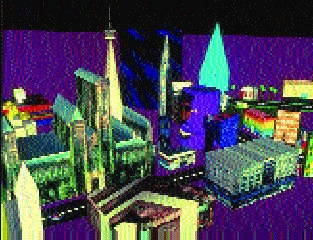
CitySpace was an internet-based virtual world launched at SIGGRAPH 1993 by educator and project director Zane Vella. CitySpace was one of the earliest online virtual 3D environments and first came to attention via mainstream news media in late 1993. CitySpace was also the first user-generated virtual world, similar to virtual worlds like Second Life, and enabled participants to contribute 3D computer graphics and digital imagery to a collaborative real-time rendered 3D virtual world in which participants interacted with each other via avatars. CitySpace won the 1996 NII Award for Arts and Entertainment.
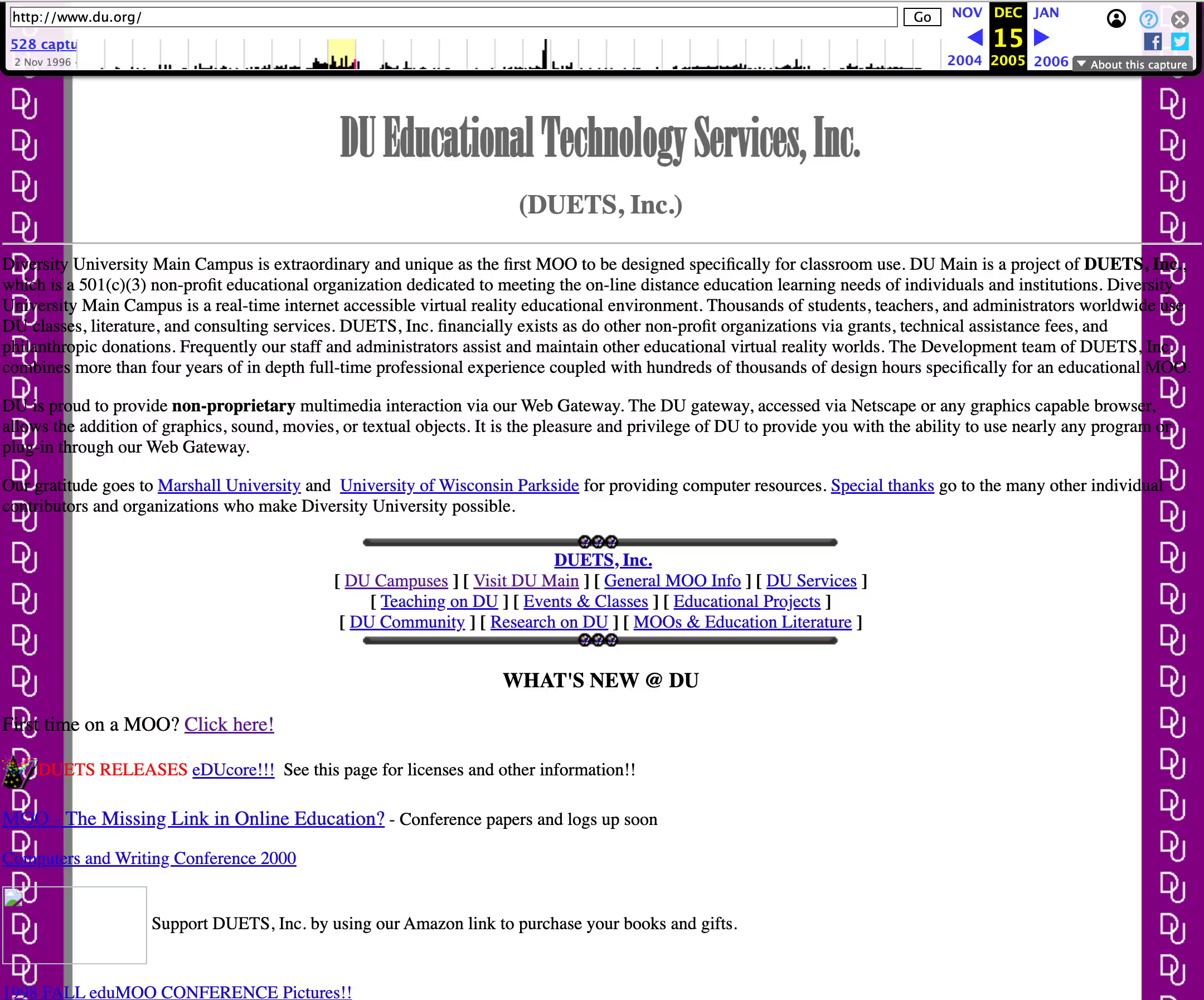
Diversity University was created in summer 1993 by its founder (and original "arch-wizard"), Jeanne McWhorter. Diversity University was the first MOO dedicated specifically for education. Like other MUDs, it was an online realm that allowed people to interact in real time by connecting to a central server, assuming a virtual identity within that realm, "teleporting" (in other words, transporting your character) or "walking" to virtual rooms, and holding text-based conversations with others who had entered the same virtual room.

Horseland was an online community and browser game where members took care of, bred, trained and showed horses and dogs. Begun in 1994 in the United States, Horseland had grown to have more than 8 million users who played from all over the world.
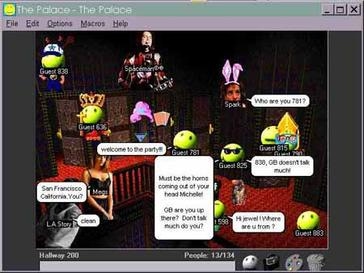
The Palace is a computer program to access graphical chat room servers, called palaces, in which users may interact with one another using graphical avatars overlaid on a graphical backdrop. The software concept was originally created by Jim Bumgardner and produced by Time Warner in 1994, and was first opened to the public in November 1995.

Active Worlds is an online virtual world, developed by ActiveWorlds Inc., a company based in Newburyport, Massachusetts, and launched on June 28, 1995. Users assign themselves a name, log into the Active Worlds universe, and explore 3D virtual worlds and environments that others have built. ActiveWorlds allows users to own worlds and universes, and develop custom 3D content. The browser has web browsing capabilities, as well as voice chat, and basic instant messaging features.
CyberNet Worlds was an early 3D social platform that experimented with avatar‑based communication and themed environments. It contributed to the evolution of graphical chatrooms and influenced later virtual‑world UI conventions.
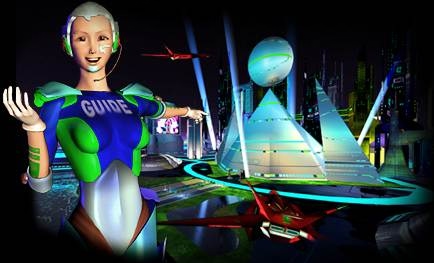
CyberTown (CT) (formerly Colony City) was an online virtual world. There were places (chat rooms) available either through a 2D or 3D chat environment. Users were able to have jobs within the community, earning virtual money called CCs (CityCash) that could be used to buy 3D homes and items. Each user was allowed a free 2D home and could locate it within any of a number of colonies subdivided into neighborhoods and blocks. The cost was $5.00 per month or $49.99 a year.

KidsCom was a virtual world geared toward kids ages 8–14. KidsCom had many "worlds" (virtual places) that the user can go to in order to have fun with an avatar. It was a website for a long time dealing with new competition such as Webkinz. KidsCom was published by the now defunct Circle 1 Network, LLC in Milwaukee, Wisconsin and was first launched in 1995 as a site for kids.
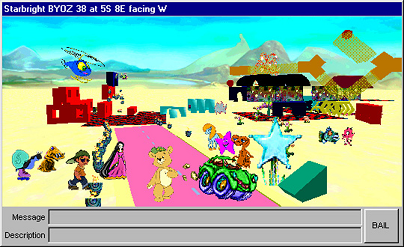
Starbright World was an online community for children with chronic illnesses established in 1995. Initially conceived as a 3D virtual world for use in hospitals, it was developed by Worlds Inc. for the Starbright Foundation. The 3D world―credited as one of the first applications of virtual reality in medicine―operated until 1997, when it was shut down due to technical issues. In 1998, it was replaced with a private social network, which is now defunct. Worlds Inc. would later launch lawsuits against several massively multiplayer online game companies, claiming that they held the rights to the concept of multiplayer virtual worlds based on patents obtained in relation to Starbright World.
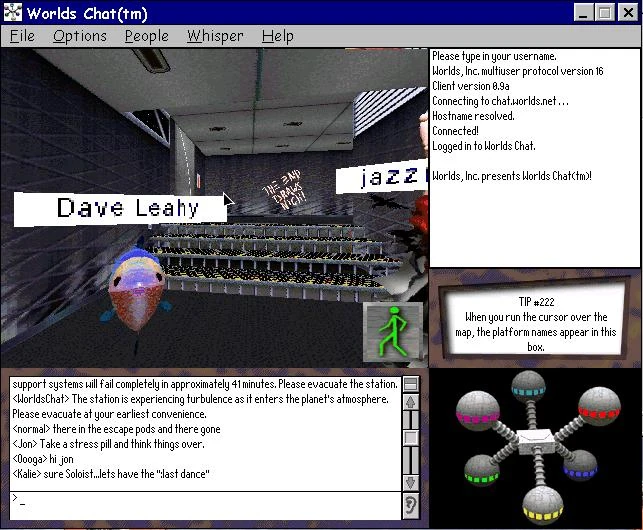
Worlds.com, or Worlds Chat is an online chat program launched by Worlds Inc in April 1995. Worlds.com was the first program made available for the general public to download from Worlds Inc's website for free.The WorldsPlayer client then came along in 1998.

OZ Virtual was a 3D world viewer created by OZ Interactive that enabled real-time collaboration communications in shared spaces on the Internet with a strong focus on creative content production. The viewer supported the Virtual Reality Modeling Language (VRML 2.0) a standard for creating and experiencing virtual reality worlds on the Internet. It came with an avatar editor that allowed the user to select from a set of pre-defined avatars with body movements and modify their appearance. Users could communicate using voice chat using low bandwidth codecs supplied by Voxware.

Interactive Networked Tele-Presence and Shared 3D Environment.
In the dawn of the internet’s evolution from static pages to immersive experiences, InterSpace stood as an early vision of virtual worlds — a pioneering experiment in real-time networked 3D environments developed under the auspices of telecommunications innovators in the late 1990s. By combining spatial navigation, avatars, and shared communication, InterSpace offered users a glimpse of what online interaction could become when transcending text chat and hyperlinks.
Participants entered a persistent virtual space where they could move freely, meet others, and engage in real-time conversations and activities — foreshadowing the social and collaborative universes that would follow in the decades to come. With support for interactive virtual presence, object scripting, user directories, and multimedia integration, InterSpace was a precursor to the metaverse — a formative chapter in the history of digital worlds that laid early groundwork for communal exploration beyond the physical plane.
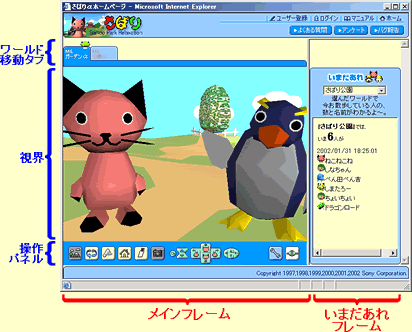
SAPARi (さぱり) was an online 3-D virtual world service developed in Java and run by Sony. Users could speak to one another and join chat lobbies by using a dedicated server browser called the Community Place Browser. Upon selecting a server, users would appear in a 3-D virtual world as an avatar in the form of a human or an animal.
Worlds.com was an early developer of 3D online chat programs and later gained notoriety for patent lawsuits against game companies. The original online service is no longer active as the domain expired in 2025. For more information, visit Wikipedia.

Forterra Systems, Inc. was a 3D graphics software company headquartered in San Mateo, California that produced private and secure massively multiplayer online game (MMOG) virtual worlds for corporate, government, defense, medical and educational clients.

A virtual world with avatars and social networking elements where members can buy, sell and trade real estate and virtual products with friends from around the world.
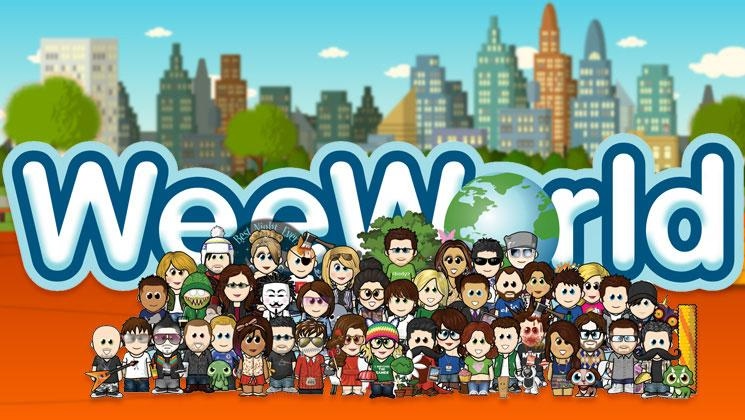
WeeWorld was a Scottish social networking and messaging website, originally created in 2000 by a company based in Glasgow, Scotland, with smaller offices in London and Boston, Massachusetts. The company created WeeWorld.com, which hosted a massively multiplayer online game aimed at teens and preteens. The game was known for its brand of virtual world-based social simulation and customizable avatars known as "WeeMee's".
A virtual world for teens with games, chat, a variety of themed worlds, avatars, hover boards, and lots of film, sports, movies and fashion.

Adobe Atmosphere was a software platform for interacting with 3D computer graphics. 3D models created with the commercial program could be explored socially using a browser plugin available free of charge. Atmosphere was originally developed by Attitude Software as 3D Anarchy and was later bought by Adobe Systems. The product spent the majority of its lifetime in beta testing. Adobe released the last version of Atmosphere, version 1.0 build 216, in February 2004, then discontinued the software in December that year.
MyCoke (formerly known as Coke Music and Coke Studios) was an online chat game used for marketing the Coca-Cola brand and products. It was created in January 2002 by VML Inc (Previously Studiocom) an Atlanta-based digital agency using core technology from Sulake Corporation, the company responsible for a similar popular online game called Habbo Hotel.
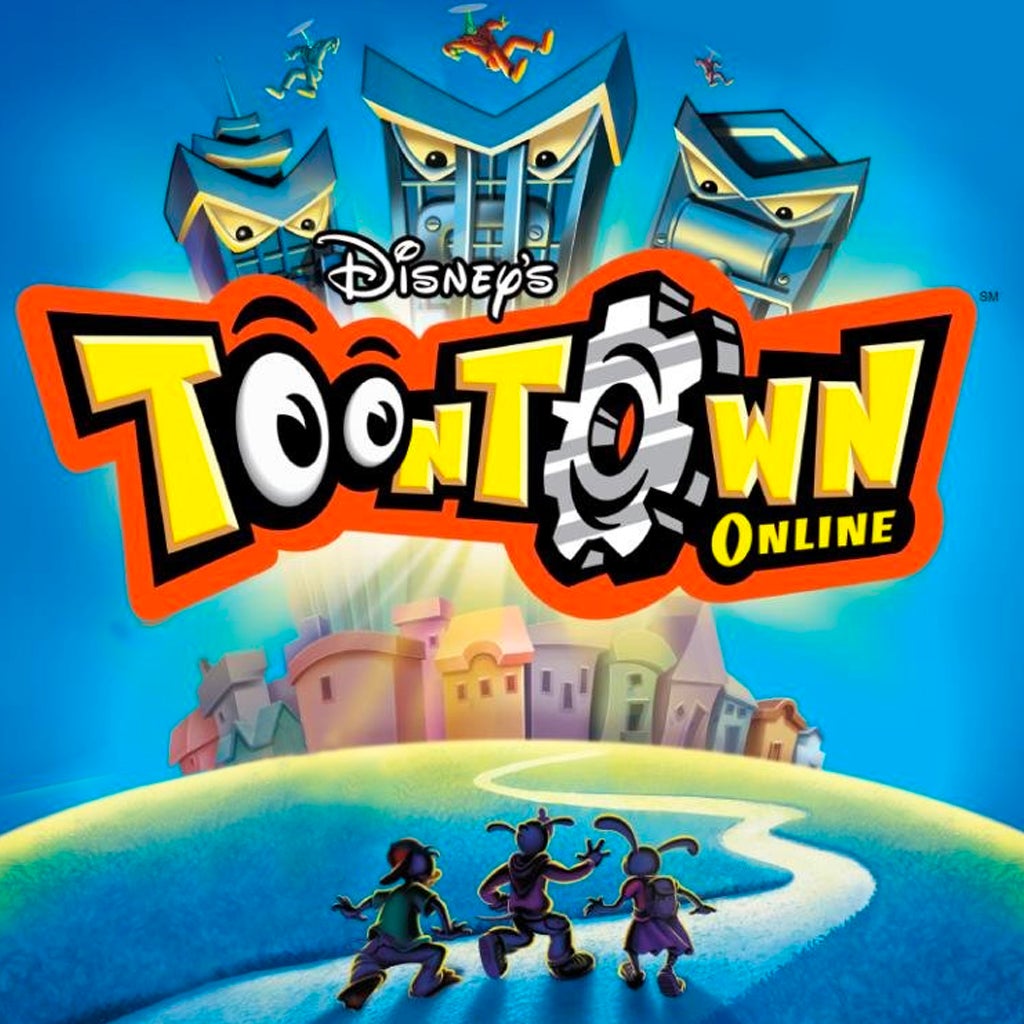
Toontown Online, commonly known as Toontown, was a 2003 massively multiplayer online role-playing game (MMORPG) based on a cartoon animal world, developed by Disney's Virtual Reality Studio and Schell Games, and published by The Walt Disney Company. Players played as anthropomorphized animals, known as Toons, to explore a cartoon world, complete quests ("ToonTasks"), and engage in combat against the Cogs, robot businessmen who served as the game's antagonists. Players used weapons known as "Gags"—typically slapstick comedy items, such as a thrown cream pie—in combat.
The Croquet Project is a software project that was intended to promote the continued development of the Croquet open-source software development kit to create and deliver collaborative multi-user online applications. Croquet is implemented in Squeak Smalltalk. Croquet supports communication, collaboration, resource sharing, and synchronous computation among multiple users.

GirlSense was a popular online website where young girls, tweens and even teenagers could hang out with like-minded fashion people.
GirlSense was closed on July 18, 2012, due to the revenue and resource issues that meant the site could no longer be supported. However, GirlSense's website was still open until April 2019, when the website has started to be redirected to Gaming Wonderland.
Kaneva was a virtual World that was still growing rapidly and it offers an amazing Second Life like aesthetics to enjoy big time. With millions of registered users, huge amounts of content and an amazing environment, Kaneva offers wonderful Social Interaction and MMORPG elements all combined in a very attractive fashion.
On November 14, 2016, Kaneva closed its original game and its social community website. They are now working at a new project named Kava. Kava launched a mobile app game and also a Facebook game named CasinoLife Poker, which only people that are over 18 years old are allowed to play this game.
Club Penguin was a massively multiplayer online game (MMO) that ran from 2005 to 2017. The game featured a virtual world that included a wide range of online games and activities. It was created by New Horizon Interactive (now known as Disney Canada Inc.). Players used cartoon penguin-avatars and played in an Antarctic-themed open world.
Frenzoo was a virtual community and its concept was for a young female audience. It was a fashion, style-based Virtual World. The fun of Frenzoo was to have a fashion show in a IMVU-Second Life inspired game, most of the users were from Hong Kong and the USA.Frenzoo was closed somewhere in 2011 or 2012, to focus on their apps. Somewhere in 2012 or 2013, Frenzoo became an app developer and it started to develop its apps for iOS and Android.

A virtual world version of Second Life reserved for young people ages 13 to 17 with avatars, accessories, weapons, armies, land, entertainment events and educational opportunities.

Coolroom is a UK digital download store offering films and music to own and rent. It is accessible online and as a bespoke IPTV channel on Microsoft's Windows Media Center available on laptops, desktops and home entertainment PCs. Users can preview cinema releases and download full feature films and music.

HiPiHi was an online 3D virtual world game founded by Xu Hui and Rao Xuewei in Beijing in the People's Republic of China. It was the first Chinese virtual world game that allowed virtual netizens to freely roam around. Users could explore, trade, communicate and create things in their virtual environment.

Meez was a vibrant virtual community and social network headquartered in San Francisco, California. Within just a month, Meez attracted over 3 million unique users, with each spending an average of 60 hours per month on the platform. The user base grew rapidly to surpass 13 million registered members, with a significant majority, 90%, hailing from the United States. Notable sponsors like Candie's, Nike, and Domo were instrumental in supporting Meez's activities.

Metaplace was a software platform intended to democratize the development of virtual worlds, which was later used to make Facebook games. The company was established by Ultima Online and Star Wars Galaxies designer Raph Koster. According to the official website, the platform was "client-agnostic", which means that virtual worlds developed on Metaplace can be accessed using any device that connects to the Web.

vSide was an Internet-based 3D virtual world that was launched on May 15, 2006. The game is in its public beta phase. However, the game appears to have been discontinued as of May, 2018. Initially developed by American studio Doppelganger, Inc., a studio founded in 2004 the game was acquired in June 2009 by ExitReality, which is the owner and developer. Inside the game's universe, users are called vSiders and can interact with each other through social networking, celebrity entertainment, virtual boutique shopping and self-expression.

Zwinky was a pretty popular virtual world game where players can meet and chat with their new friends and have fun playing games. Aside from socializing, the game also lets you decorate your own home and customize your avatar with only the hottest trends and fashion. The website was known for having its ads which appeared on a lot of websites, mostly from 2008 to 2009. It had over 30,000,000+ users in 2013.

Bin Weevils was a British MMORPG (massively multiplayer online role-playing game) involving a virtual world containing a range of online games and activities. The game was developed by 55 Pixels Limited (previously Bin Weevils Limited) and launched in January 2004 as a joint venture between Nickelodeon UK, Prism Entertainment Ltd and CEG (Creative Entertainment Group). Brief animated clips based on characters from the game aired on TV in 2006. In 2007, Bin Weevils was re-launched as an independent website with a redesign and new content, making way for books, magazines, and products inspired by the game world. Bin Weevils was previously ranked as one of the most visited virtual world websites in the United Kingdom, reaching over 20 million users in 2013. Bin Weevils had 2 million monthly users in 2013.[4][5] The game's publisher, 55 Pixels filed for liquidation in December 2020. The website was quietly taken offline on 16 January 2021, after Adobe Flash was discontinued.

A 3D virtual world designed to bring a virtual environment to the classroom interactive whiteboard. It is a slimmed down version of the core Open Cobalt Metaverse Project. Edusim was tested and worked on the Smartboard, Activeboard, Interwriter, Polyvision, Mimio, eBeam, and even the Wiimote Whiteboard. Edusim is extendable allowing multiple classrooms to connect their interactive whiteboards for for collaborative learning session. Edusim as a concept sought to model a new way to engage searching rates for student loans through "immersive touch" by leveraging 3D virtual environments on the interactive surface or classroom interactive whiteboard.
Koinup was an image and video hosting service, web portal and online community for virtual world users. It was used both as a photo and video repository platform and as a tool to share virtual world screenshots, photographs and machinima. As of November 2008, it claimed to host more than 100,000 items uploaded by its members and reaches about 100,000 visitors monthly. It was acquired in 2013 by Exitreality. Centered on the concept of “Share your Virtual Life", Koinup offered a social networking platform for all virtual world inhabitants.

The OpenLife Grid was a community virtual world developed by 3DX. It was founded in November 2007 by Australian Steve Sima, president of 3DX. The OpenLife grid functionality was similar to that of Second Life, also using the WindLight graphics system.
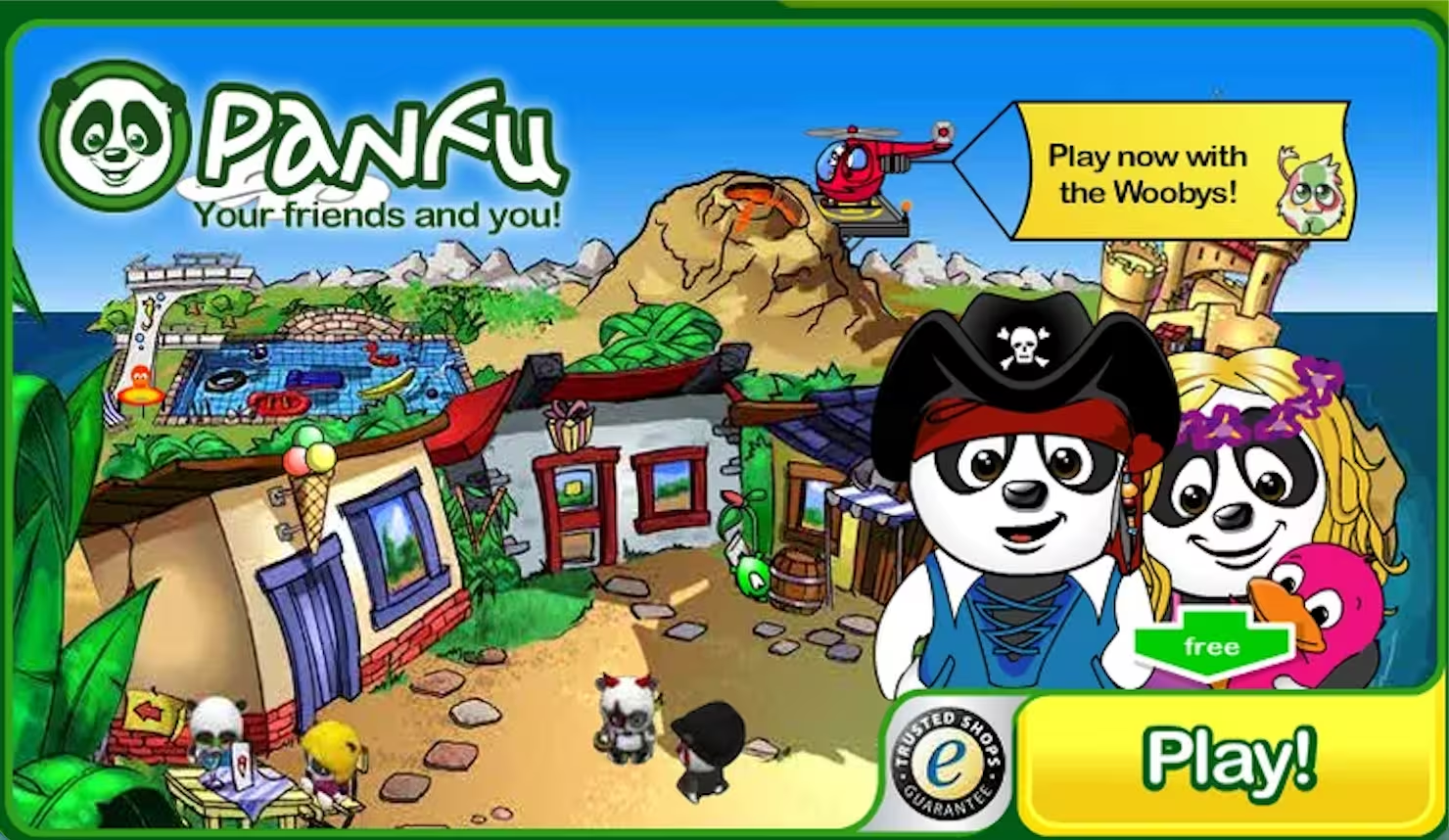
A virtual world where kids can learn Spanish, adopt pet pandas, dress them in costumes, furnish a tree house, chat with friends, and enjoy online games. Flash game.
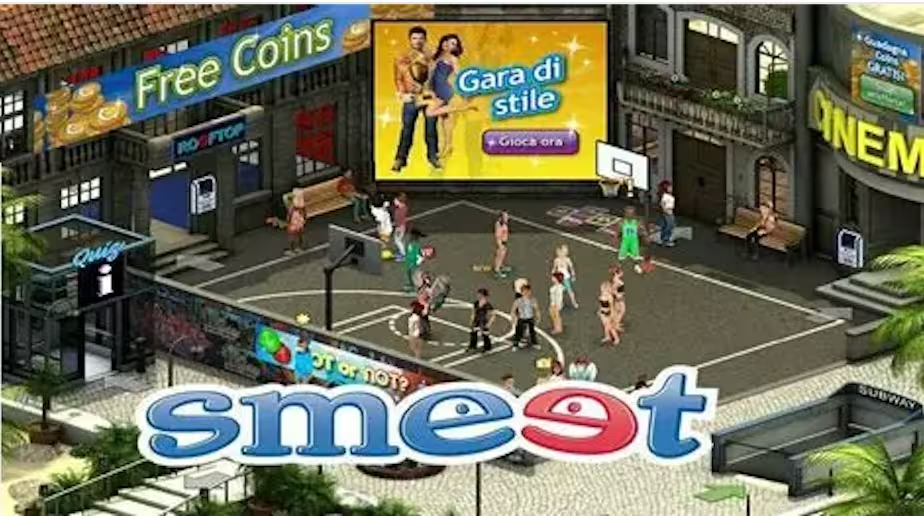
Smeet was a browser-based virtual world video game developed in Berlin, Germany. Smeet is a browser based 3D social multiplayer online game. The game was developed by Smeet Communications GmbH.

Whirled is a virtual world website and video game created by Three Rings Design. Its Open Beta stage was announced at the Game Developers Conference in 2007. It makes use of Adobe Flash as an applet embedded into the website while also having pages of HTML and JavaScript in a sidebar to allow players to manage their friends list and browse various categories of user-generated content. The concept is comparable to the virtual worlds in the PlayStation 3 game Home and Second Life, while also incorporating aspects of feed-based social media sites like Facebook and Twitter.

(Lil) Green Patch was a Facebook application developed by Ashish Dixit and David King that simulated a small garden on a Facebook user's profile. By tending their and their friends' gardens, the Facebook users were able to raise money for The Nature Conservancy to save the rainforest.

Ai Space (officially stylized as ai sp@ce) is a Japanese virtual 3D massively multiplayer online social game (MMOSG) developed by several companies that formed the Ai Space Production Committee which was launched in 2008 for Windows PCs. The game closed down on June 30, 2011.
Chobots was an online Flash browser massive multiplayer online game (MMO) set in a virtual world where players could create cartoon alien avatars called "chobots" who resided in floating cities in outer space. Chobots was created, developed, and published by the Ukrainian company Vayersoft LLC, and ran from 2008 until 2011 when the game was shut down. The target audience of Chobots was primarily children and teenagers, though it was marketed as a "family game." Chobots was often compared to other similar contemporary games, including the popular Club Penguin.

Fantage was a Virtual World for kids that it was designed for kids and teens that were between 7 and 17 years old. The game featured a customizable cartoon avatar, called a Fantagian, that users can customize with items ranging from hair to clothing and accessories.

Google Lively (also known as Lively by Google or Lively by Google BETA) was a web-based virtual environment created and developed by Google.
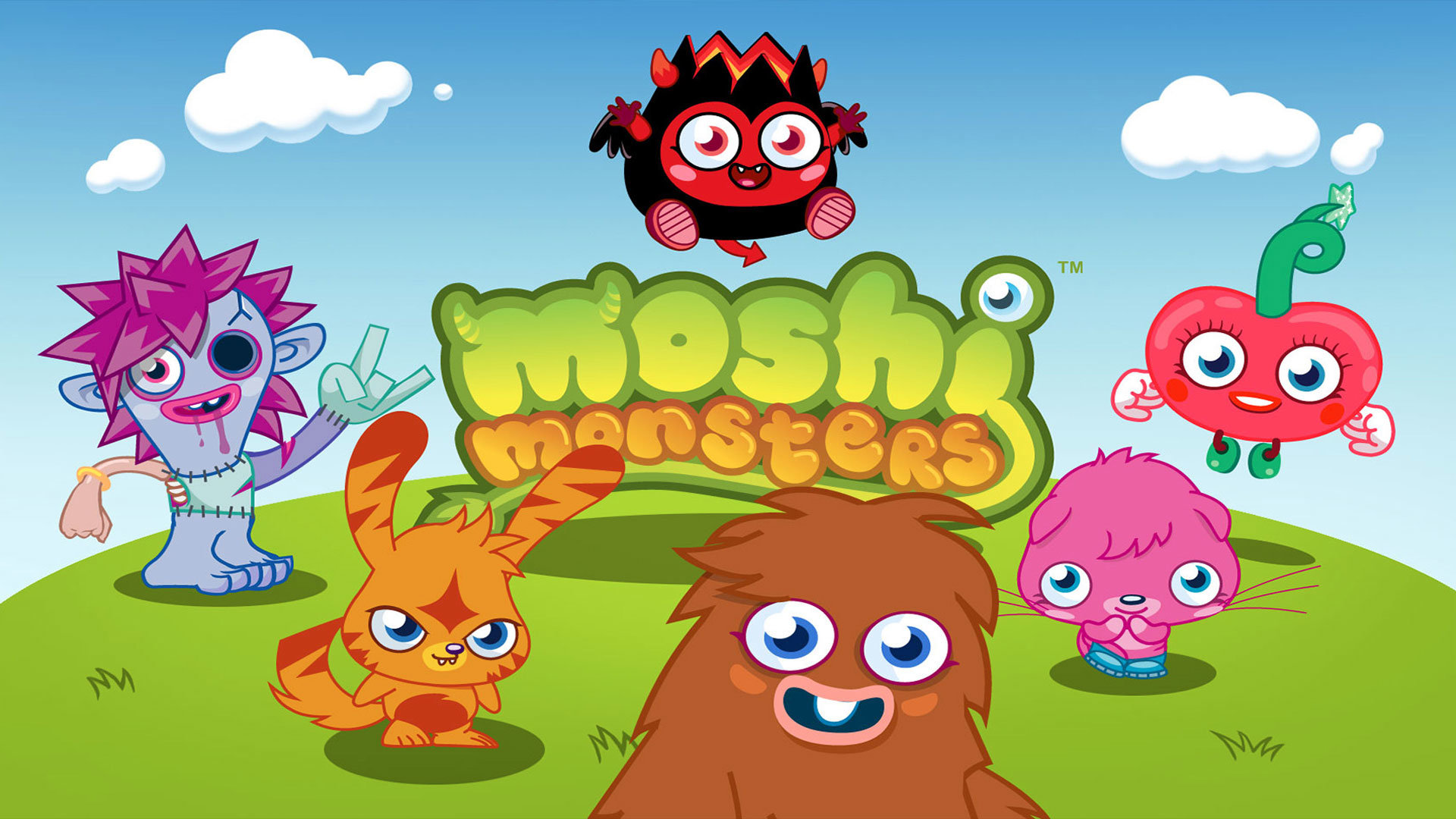
Moshi Monsters was a British web browser massively multiplayer online role-playing game (MMORPG) game aimed at children aged 6–12. In April 2016, there were over 80 million registered users in 150 territories worldwide. Users could choose from one of six virtual pet monsters (Katsuma, Poppet, Furi, Zommer, Luvli, and Diavlo) they could create, name and nurture. Once their pet had been customized, players could navigate their way around Monstro City, take daily puzzle challenges to earn 'Rox' (a virtual currency), play games, personalize their room and communicate with other users in a safe environment, although this has been disputed.

ourWorld was a virtual world containing a range of online games and activities. It is developed by FlowPlay, and is aimed at the teen and tween demographic. www.ourWorld.com - October 24, 2021. The popular virtual world, which had operated for 13 years, was shut down due to insurmountable technical and maintenance issues

Pet Society was a social-network game developed by Playfish that could be played on Facebook. The game ranked as one of the most popular Facebook applications. Players could design their pets by choosing genders, names, colors and altering appearances. The user interacted with their pets through washing, brushing, petting and feeding.
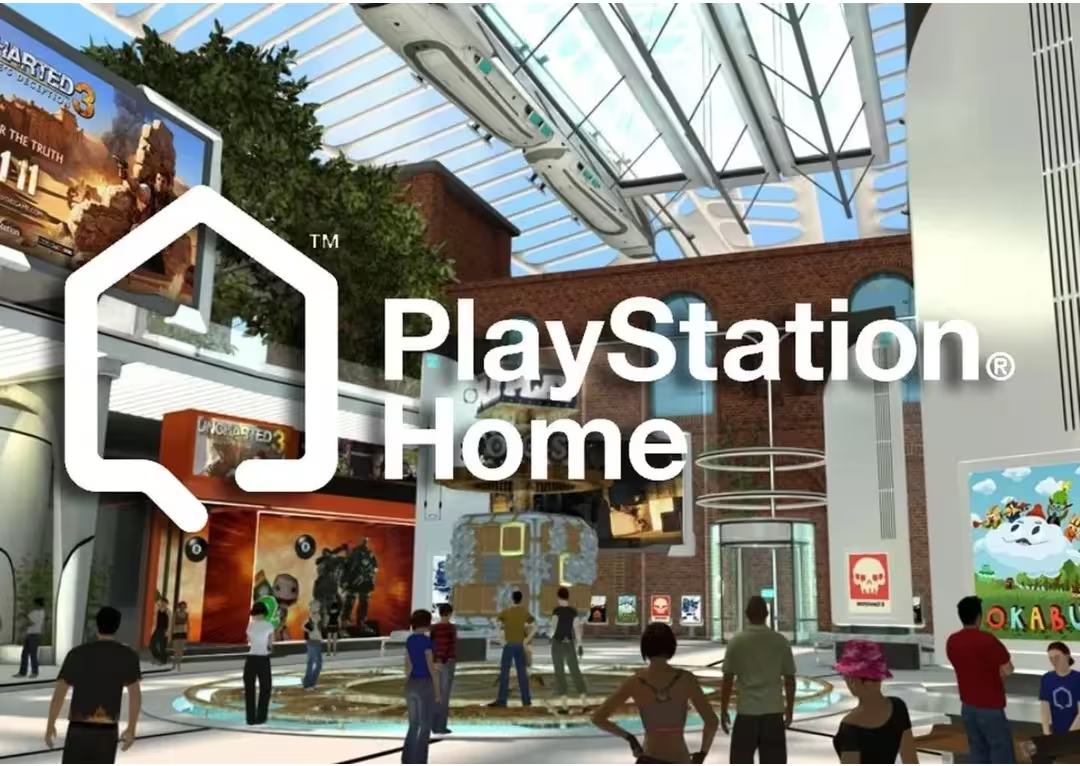
PlayStation Home was a virtual 3D social gaming platform developed by Sony Computer Entertainment's London Studio for the PlayStation 3 (PS3) on the PlayStation Network (PSN). It was accessible from the PS3's XrossMediaBar (XMB).

SmallWorlds was an online virtual world and social network service created by Outsmart Games, a game development company based in Auckland, New Zealand. The virtual world used Adobe Flash and ran inside a web browser, as Google Chrome was most recommended when playing this game. It integrated with YouTube, Flickr, SoundCloud, and a number of other Web 2.0 services.

Twinity is a 3D online virtual world. Initially developed by Metaversum GmbH, it is currently held by ExitReality. The game offers its population, called Twinizens, to navigate around virtual (historical) versions of real-world cities, also called a mirror world or a Metaverse.

YoVille was a social game that launched in 2008 and was played via app on Facebook or MySpace. Users hung out with friends in "YoVille" and were able to create a character, decorate their house, host a party, earn virtual cash, and chat with other players.

Solipsis is a free and open-source system for a massively multi-participant shared virtual world designed by Joaquin Keller and Gwendal Simon at France Télécom Research and Development Labs. It aims to provide the infrastructure for a metaverse-like public virtual territory. Relying on a peer-to-peer architecture, the virtual world may potentially be inhabited by a theoretically unlimited number of participants.

Blue Mars, a 3D massively multiplayer virtual world platform developed by Hawaii-based Avatar Reality, allows 3rd parties to create virtual worlds, MMOG games, simulations, shops, businesses, entertainment venues, clothing, custom avatars, furniture, virtual homes, and other items. It consists of four main parts: the client software, the Sandbox Editor SDK suite, the website, and the host servers. It is often compared to Second Life, since both are virtual social worlds allowing user-created content.
Spark City World (formerly AllGirlArcade) was a Canadian virtual world that had tons of games, lands and made for girls in mind. It was previously AllGirlArcade until 2010, when the game became Spark City World. Mike Burns, CEO of the company behind SCW, Fuel Industries, had the idea for the girl-themed virtual world on his twin girls' birthday. Fuel Technologies and Fuel Industries were 'distinct legal entities' but they shared common management. To avoid confusion, Fuel Technologies is labeled as SCW's company. It is currently unknown what exactly happened to Spark City World, since Fuel Industries went bankrupt and the domain has not been renewed since (It's still in the ownership of American domain registrar GoDaddy as of 2024). Spark City World hadn't been updated since February 2015, but was still playable until it was shut down in late April 2017.

Just like other Virtual World games, Chit Chat City allowed you to customize your online avatar by with accessories and gadgets. Players were able to interact with online players, make new friends, explore the game world, collect resources, build your own house and decorate it, and party with friends.
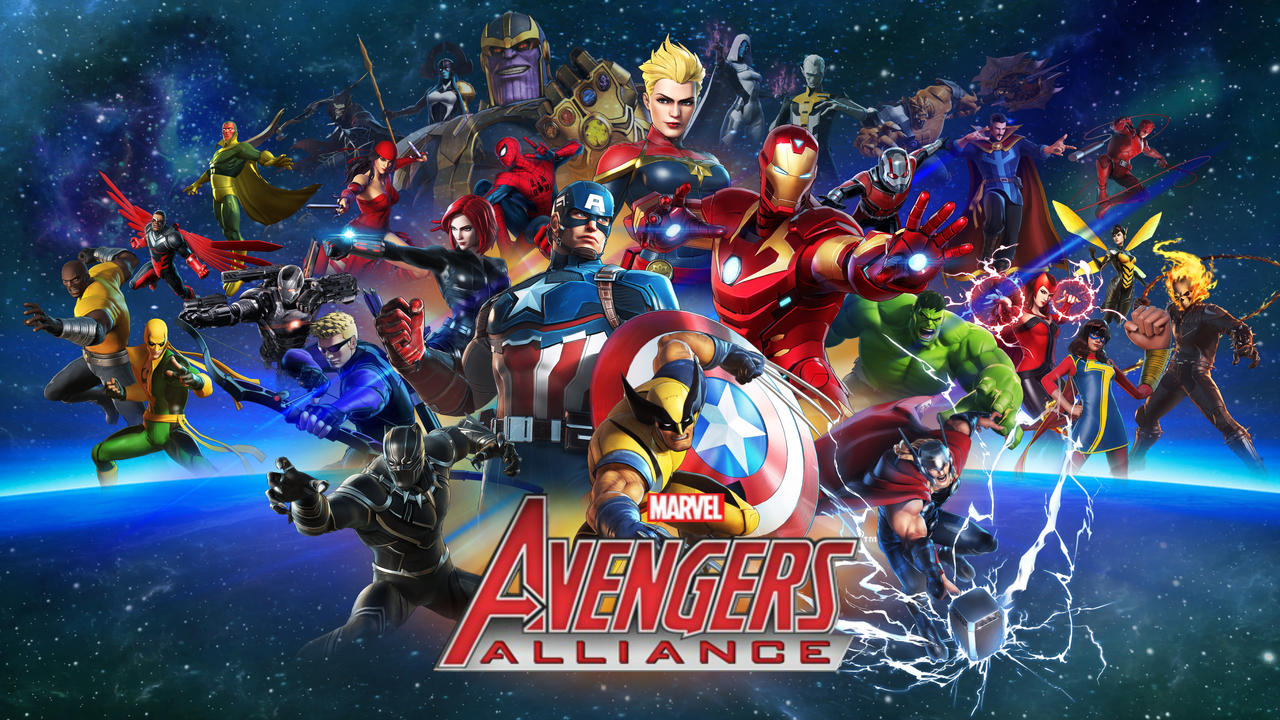
Marvel Avengers Alliance was a 2012 turn-based social-network game developed by American studio Offbeat Creations and published by Playdom. It is based on characters and storylines published by Marvel Comics. The game was available as an Adobe Flash application via the social-networking website Facebook.

High Fidelity is an American company headquartered in San Francisco, which formerly focused on social virtual reality. High Fidelity provided a virtual reality platform for users to create, deploy, visit, and interact with virtual worlds along with other users. As of 2020, they appear to have pivoted to 3D audio software.

Liberverse is a digital version of the micronation Liberland, also known as the Free Republic of Liberland. It's a metaverse that serves as a virtual space for events, meetings, and other activities. LIBERVERSE allows you to see the future of Liberland and is a great place for meetings, events, hangouts, and other activities. Liberland, also known as the Free Republic of Liberland, is a micronation in Southeast Europe claiming an uninhabited parcel of disputed land on the western bank of the Danube, between Croatia and Serbia (locally known as Gornja Siga). It was proclaimed on 13 April 2015 by the Czech right-libertarian politician and activist Vít Jedlička. LIBERVERSE is the virtual version of Liberland, which allows you to see what the country will look like in the future. Besides sightseeing the plans, you can connect with other people who are interested in the movement.

AltspaceVR was a social VR platform that was founded in 2013 by Eric Romo and launched its initial product in May 2015. In 2017 it was acquired by Microsoft and became part of the Mixed Reality division (alongside notable products like HoloLens and HoloLens 2) within the Cloud and AI group. Some elements of the platform appear in Microsoft Mesh. The platform largely consisted of user-generated spaces called "worlds", which could be visited by other users. Individuals could gather, talk, collaborate, and be co-present in small to large groups.

Anyland was a Virtual Reality universe to create your home, chat with others, build, script, explore, play, learn & live in.

Open Cobalt is a free and open-source software platform for constructing, accessing, and sharing virtual worlds both on local area networks or across the Internet, with no need for centralized servers.
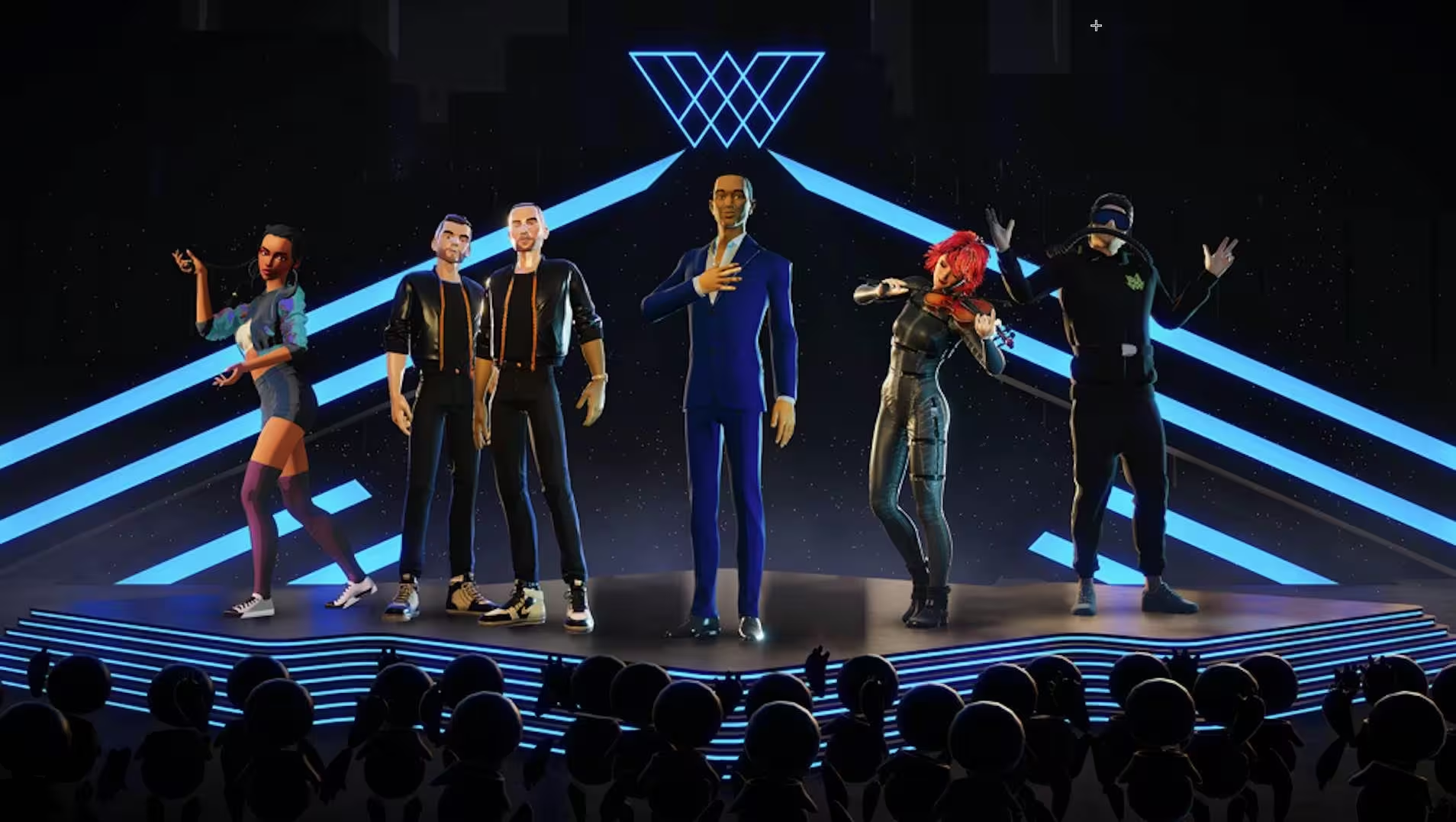
WaveXR is a virtual reality company that specializes in live 3D entertainment. WaveXR's co-founder and CEO, Adam Arrigo, is a musician who pivoted the company's focus from virtual reality to gaming and livestreaming after the VR market declined. WaveXR's interactive virtual concerts, called Waves, allow artists to perform and interact with fans in real time. Wave’s mission is to unite humanity through immersive 3d entertainment. Their vision is to be the live entertainment hub of the metaverse: a place where anyone can attend, perform live, or be a part of a 24/7 live entertainment community. The next generation of wave’s platform is on its way–an immersive, multi-platform destination elevating elevating the live 3D entertainment experience.

Rec Room is a free-to-play, cross-platform action and social VR game where players build and play games together. Released in 2016 by Rec Room Inc., it supported VR and non-VR play, allowing exploration of millions of player-created rooms, character customization, and creation of worlds using their Maker Pen tool. It emphasized community interaction, creativity, and online multiplayer experiences.
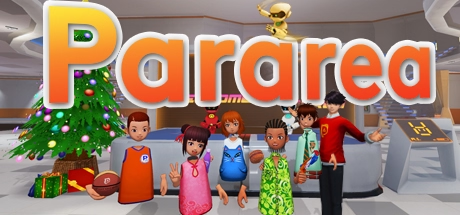
Pararea was a VR social product, which has online communication, entertainment, social and other innovative virtual space services. Including: - Immersive communication. The communication efficiency is better than most through virtual avatar, voice and body language. - Personal image and individual display. Support personal virtual image customization. - Diverting online party. Create activities what you like, such as watching movie, TV, sports events, e-sports, live shows etc… - Somatic games. There are many different absorbing mini games to play and share with friends like shooting game and drawing, etc.- Various of VR tools help you immerse in this virtual world, including VR browser, Video player, 3D Brush etc.

Stageverse was a social metaverse connecting communities & creators in beautiful 3D spaces.Stageverse was founded in 2017 by CEO Tim Ricker and COO Claire Seidler with a focus on “creating a place where your digital identity and culture can live and thrive, and that starts with a high fidelity, premium, and accessible experience,” said Ricker, noting that an NFT economy and marketplace will be their next announced venture, which, “will unlock community capitalism to the fullest extent.”
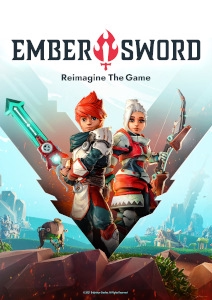
Ember Sword is an upcoming massively multiplayer online role-playing sandbox blockchain game developed and published by Bright Star Studios for Windows and macOS. Presented from a three-dimensional isometric perspective, Ember Sword players will battle against each other or non-player characters, enhancing their character's abilities by equipping different weapons and armor.
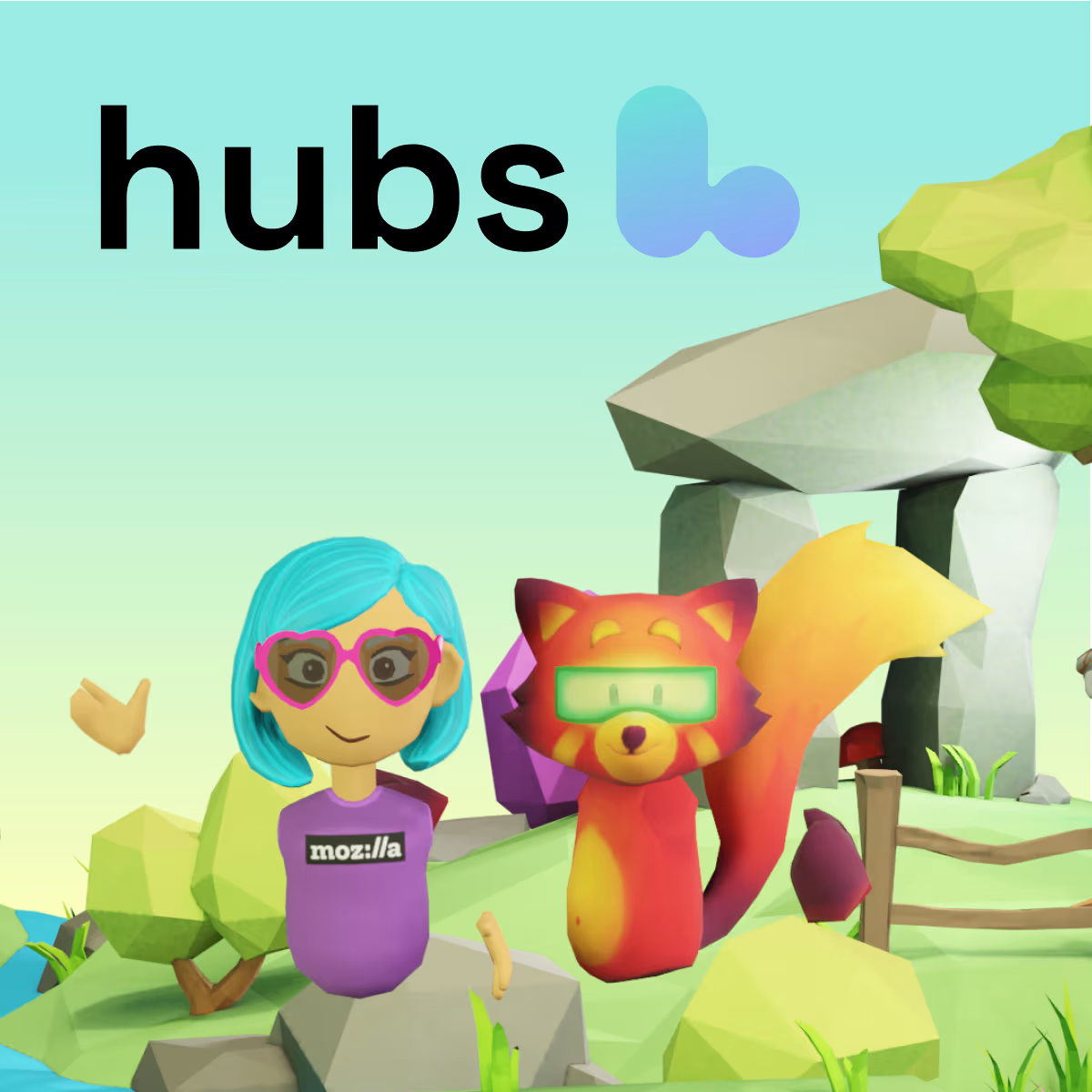
Mozilla Hubs is an open-source virtual social platform launched in 2018. It is web-based, and users can join a world through a link without needing an account. Since 2020, it has a paid option for enterprises. Their cloud is based on Amazon Web Services (AWS). It has integrated the Ready Player Me avatar creator. As part of a restructuring at Mozilla, support for Hubs is going to end on May 31st, 2024. Mozilla will stop their Hubs demo server, managed subscription, and community resources. A tool for downloading user data is said to be released on April 1st. However, due to the open source nature of the project, it will remain possible to install the Community Edition on any platform that supports Kubernetes, and to make forks of the project.

NeosVR is a free-to-play, massively multiplayer online, virtual reality application created by Frooxius and operated by Solirax. It was released for free on Microsoft Windows via Steam in 2018. The game allows users to interact with one another as avatars and features development tools for players to create in-game elements such as games and maps. It is also usable without VR in a “desktop” mode through the use of a mouse and keyboard or gamepad.

Tivoli Cloud VR is a free, open-source, and multi-user virtual reality (VR) platform for desktop and online. Users can create worlds, host events, and interact with up to 400 people in the same space.

Core was a free-to-play online video game platform with an integrated game creation system, developed by Manticore Games. Core hosts user-generated games that are designed for an older teen and adult audience. Core's game creation system is designed to simplify video game creation in order to allow more individuals to develop games.

The Dutch social meeting platform Mibo was launched in October 2020. The idea for Mibo came about during the COVID-19 lockdown in March 2020, when people were stuck at home. Mibo is a video chat platform that combines videoconferencing with walking around in a 3D world. It allows users to walk around with audio intensities that vary based on proximity, similar to the real world. Mibo is designed for team drinks, social mixers, and networking events.

MetaVerseBooks explored the intersection of storytelling and virtual worlds, experimenting with narrative‑driven immersive environments. Its cultural impact lies in pushing the idea that books could become spatial, explorable experiences rather than static text.
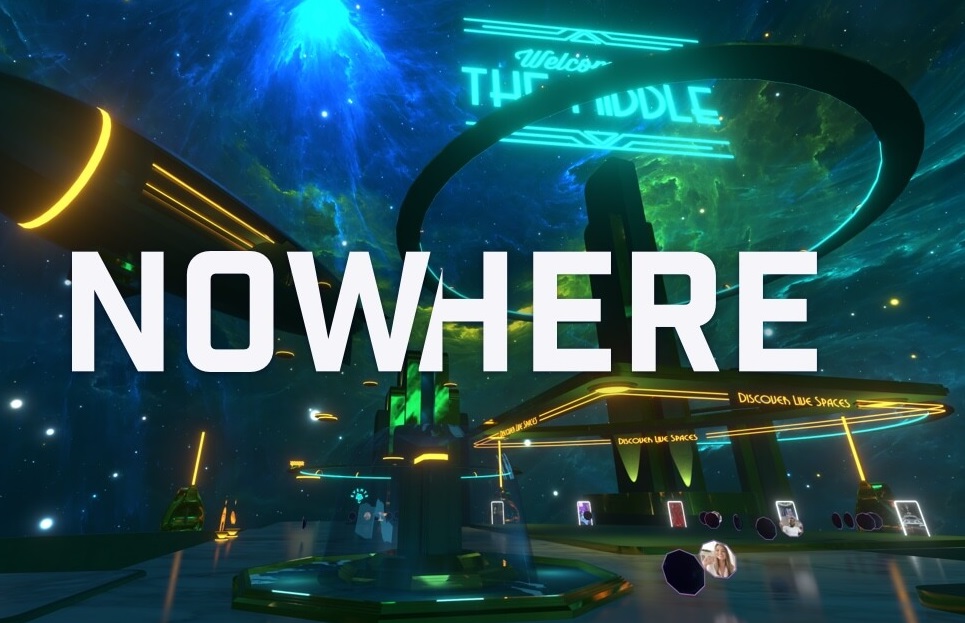
NOWHERE Studio was founded to build bespoke experiences for their clients & communities in the NOWHERE Platform. Founded by Jon Morris, Maxx Berkowitz, & Ana Constantino from The Windmill Factory in early 2020, the project was a response to the COVID19 pandemic and a need to bring people together virtually during a time of unprecedented social distance. Nowhere was a patform that allowed people to create events and meetups in a variety of different virtual use cases, such as town halls, all hands, training, networking, conferences, festivals, live comedy, show & tell, scavenger hunts, fan clubs, birthday parties, memorials, and many others. It contained spatialized audio, audience controls, screen sharing, and user generated content.

Party.Space is a metaverse platform for virtual corporate events and online communities. We have found the formula for the most engaging online experiences: ✔️ 3D environment; ✔️ Video communication to build up engagement; ✔️ Engaging mechanics: quiz, reactions, built-in games. Visitors compare our events with their favourite online games from their personal web browser. Our objective is to deliver a completely new experience that inspires engagement during metaverse parties.

Webaverse is an open-source, browser-based metaverse game engine that allows users to create their own virtual worlds, games, and applications: Features: Users can build virtual environments without technical experience by using AI-design tools. Webaverse is built on open tools and standards like three.js and Node.

Created by Captic, Vrland.io offers users the opportunity to connect with others, create events, play, learn, and engage in activities without requiring registration through web browsers. Unlike technologies requiring intricate updates, downloads, or specialized hardware, accessibility enabled by browsers deliver immersive, multiplayer 3D experiences allowing anyone to join and participate in real-time, regardless of their device. Captic was also awarded ISO 27001 Certification, an internationally recognised standard for information management security. This significant milestone underscores Captic’s unwavering commitment to the highest standards of information security and marks a major step forward in the company’s mission to provide secure and accessible Metaverse solutions.
Scapin' is a virtual interactions platform that allows users to create a virtual identity and live in a virtual world of their own design. The platform's goal is to make virtual socializing simple and accessible, and to improve how people build relationships online.

PixelMax Metaverses featured high-quality cloud streaming, unparalleled utility & cost-effective access to a global audience.

Third Room was an open, standards-based, decentralised vision of the metaverse for the open Web, built entirely on Matrix… without cryptocurrencies, NFTs or walled gardens. Third Room lets you use Matrix as the platform for a truly free and open decentralised vision of the metaverse (or however you refer to interoperable virtual worlds and spatial web applications) - built entirely on open standards via liberally licensed open source implementations, and without any dependencies on cryptocurrencies, NFTs, or data-hoarding big tech silos. In other words: Third Room will be a blank canvas for you to build open metaverse environments and applications in the spirit of the original open Web.

Yabal was an immersive gaming platform that transformed live concerts into a virtual spectacle. Artists graced the stage at Granola Studios, where through cutting-edge motion capture technology, their real-time movements were mirrored by their towering avatars in the digital realm. Audiences could dive into these dynamic performances by downloading the Yabal game or conveniently streaming it in-browser via cloud gaming.
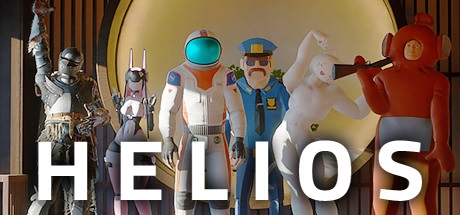
Helios was a modern metaverse platform focused on high‑fidelity environments, creator tools, and interoperability. Its cultural impact lies in pushing the boundaries of what visually rich, user‑generated virtual worlds could look like.

Multiverse was a VR platform that let users design their own metaverse spaces, buildings, and cities while connecting with a creative, exploration‑driven community. It offered expansive destinations like Infiniverse, the Planetarium, and Zombietown, alongside tools for crafting AI agents and building personalized worlds. With free templates and creator features, it empowered people to make custom VR spaces, link apps, upload content, and even sell real‑world goods and services.

Alakazam was a Portland, Maine-based software service for 3D website building and hosting. Its platform allowed users to use pre-built virtual world templates, talk about the immersive web, 2D versus 3D, AV, VR, and WebXR.